
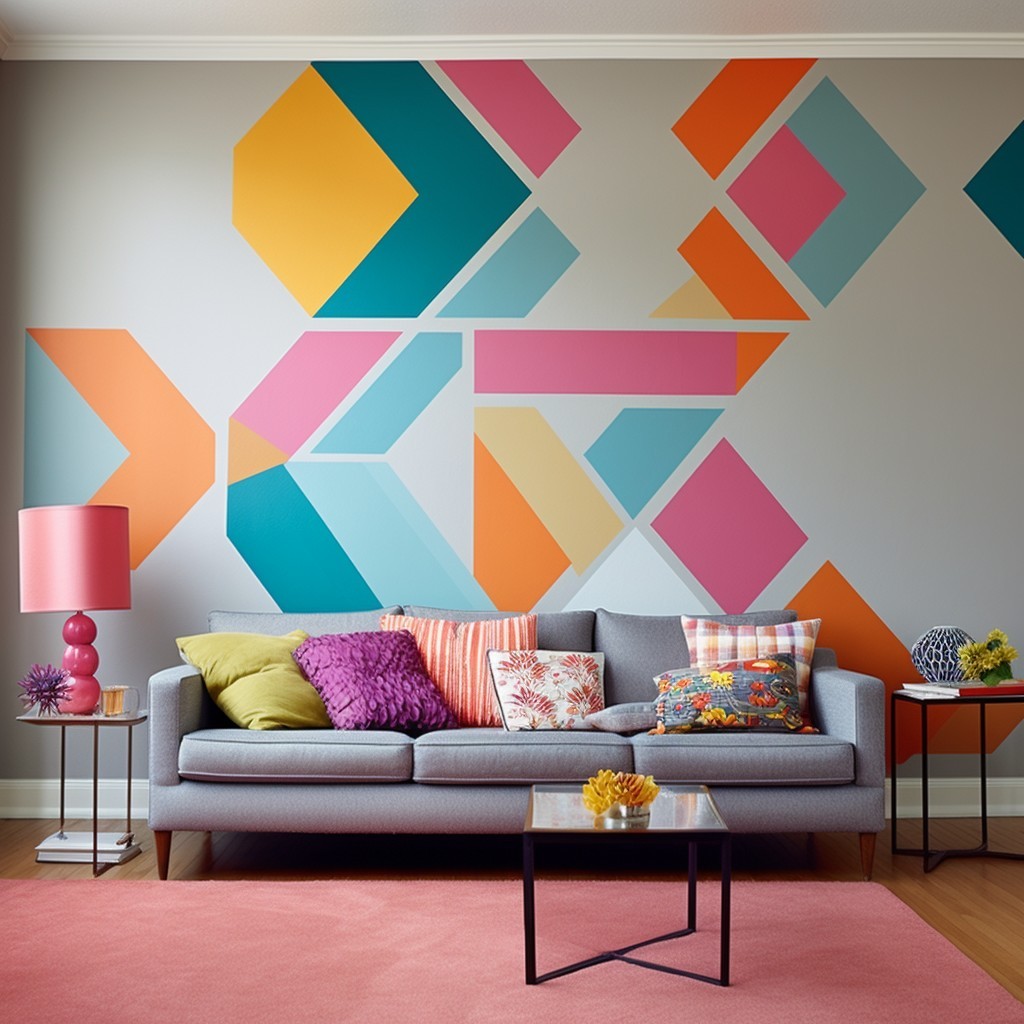
Summary:- Learn how professionals achieve flawless wall painting in home design through smart color mixing. The blog explains how experts assess lighting, room size, and furniture colors, choose complementary shades, blend colors for depth, and use the right tools to prevent streaks or uneven finishes. It also covers special effects, avoiding common mistakes, and final checks for polished results. Readers discover practical tips to enhance room aesthetics, ensure balanced colors, and create walls that complement their furniture beautifully.
A well-painted wall can completely change a home. The secret is in the wall painting at home design, and how colors are carefully mixed. Professionals don’t just pick colors randomly; they plan, test, and mix shades to match the room’s style, light, and furniture. When done right, walls don’t just look nice, they make the whole room feel better. Proper color mixing ensures that walls feel cozy, bright, or calm, depending on what you want for the space. It also makes furniture, floors, and decorations stand out. Homeowners often try to paint themselves but struggle to get the right shades or even coverage. Professionals have the knowledge and tools to make every wall look flawless.
Looking at the Room Carefully
Before painting, experts look at the room closely. They notice how the light changes during the day, the colors of furniture, and the size of the walls. These details help them pick the best shades.
For instance, a room that gets lots of sunlight might look too bright with a very light color, so experts may mix in a soft neutral shade to reduce glare. In a darker room, adding a warm tone can make it feel inviting. Even the direction of windows and the height of ceilings affect which colors will look best.
Small rooms usually look bigger with light colors. Big rooms can handle strong, deep colors. Professionals choose shades that make the room feel right. They also plan how the colors will flow from one room to another, so the home feels connected.
How Colors Work Together
Mixing colors is both art and smart thinking. Experts think about color tones, how colors match, and how light can change a color.
They might add a tiny bit of another color to a base shade to make it warmer or cooler. This way, the walls look smooth, soft, and balanced. Professionals also know which colors complement each other, so the walls and furniture look natural together.
Sometimes, a single color may not work across a whole wall. Professionals blend shades to create a subtle effect that adds interest without overwhelming the room. This careful balance prevents the walls from looking flat or mismatched.
Adding Depth to the Walls
Plain walls can feel boring. Professionals use layers of shades to give walls depth.
For example, a lighter shade near the ceiling or a darker shade in corners makes walls look more interesting. Layering colors in this way can also hide minor imperfections or uneven surfaces. The result is a room that feels well-planned and visually appealing.
Even small details, like painting a thin stripe of a slightly darker shade along the edges of a wall, can make the room feel larger and more structured. Depth makes a room feel more comfortable and complete.
Matching Walls to Furniture
Good wall color should go with furniture. Experts check the room’s colors and patterns before painting.
A green wall can make wooden furniture look nice. Soft gray walls can highlight metal pieces. Even small items like cushions, rugs, or curtains are considered to make the room look complete and balanced. Professionals ensure the wall color supports the furniture without clashing.
Mixing complementary shades makes furniture pop. Professionals may also adjust wall tones slightly to bring out colors in the furniture. This careful attention transforms a simple room into a harmonious and stylish space.
Using the Right Tools
Even with great color, walls can look messy without the right tools. Professionals use good brushes, rollers, or sprayers to make the paint smooth and even.
They paint carefully, blend colors while wet, and layer shades if needed. They also test a small wall section first to make sure the colors work well. Professionals know how to reach tricky spots near corners, ceilings, or molding, giving a clean, polished finish.
Quality tools make a big difference in how the paint appears and lasts over time. Using the right roller or brush reduces streaks and ensures even coverage, which is something many homeowners struggle to achieve on their own.
Avoiding Common Mistakes
Home painters sometimes pick colors that clash or paint unevenly. Professionals avoid this by planning and testing.
They tape edges, check small wall areas, and add more layers if needed. This creates a clean, professional look that lasts. Professionals also know how to avoid overpainting, leaving streaks, or creating uneven surfaces.
Small errors can change how a room feels, but experts prevent these mistakes from happening. Their experience ensures every wall looks perfectly balanced and matches the home’s overall style.
Special Effects With Color
Experts can make walls look unique with soft fades, light shadows, or texture using careful color mixing.
These effects make walls stand out without being too strong. Soft layers can lighten bold colors, and gentle blending adds depth. Even simple gradients or ombre effects can make a room feel more sophisticated and interesting. Professionals apply these effects subtly to enhance the room’s mood without overwhelming the furniture or other decorations.
Checking the Final Result
After painting, experts check the walls for streaks or uneven spots. Touch-ups and blending make sure every corner looks perfect.
This attention to detail gives the room a finished, balanced look. It shows why hiring a professional is worth it. A well-painted wall with professional color mixing will not only look beautiful but also feel inviting and comfortable for years.
Why Professional Color Mixing Helps
Mixing colors the right way saves time, prevents mistakes, and makes the room feel complete.
Even tricky color combinations look good and natural when professionals do the job. Walls, furniture, and decorations all come together beautifully. The right paint techniques also make cleaning and maintenance easier, since surfaces are even and consistent.
Closing Note:
At RGT Wallcovering, we help homeowners create stunning rooms with professional color mixing. Our team uses smart techniques, good tools, and careful planning to make every wall look perfect.
Whether you want to repaint one room or your whole home, we guide you through designer wallpaper brands and expert painting methods. Contact RGT Wallcovering today and see your walls shine with style.
FAQs:
1. How do professionals choose the right colors for walls?
Experts analyze room lighting, furniture, and floor colors to select shades that match and balance the space perfectly.
2. Can I mix paint colors myself at home?
Yes, but professionals use precise techniques to ensure even shades, avoiding streaks and color mismatches.
3. How do color layers improve wall appearance?
Layering shades adds depth and hides minor wall imperfections, making rooms feel more spacious and polished.
4. Why is testing paint on small wall sections important?
It ensures the color looks good in actual light conditions before painting the entire wall.
5. How do experts prevent streaks or uneven finishes?
They use quality brushes, rollers, and blending techniques to apply paint smoothly across every wall section.